
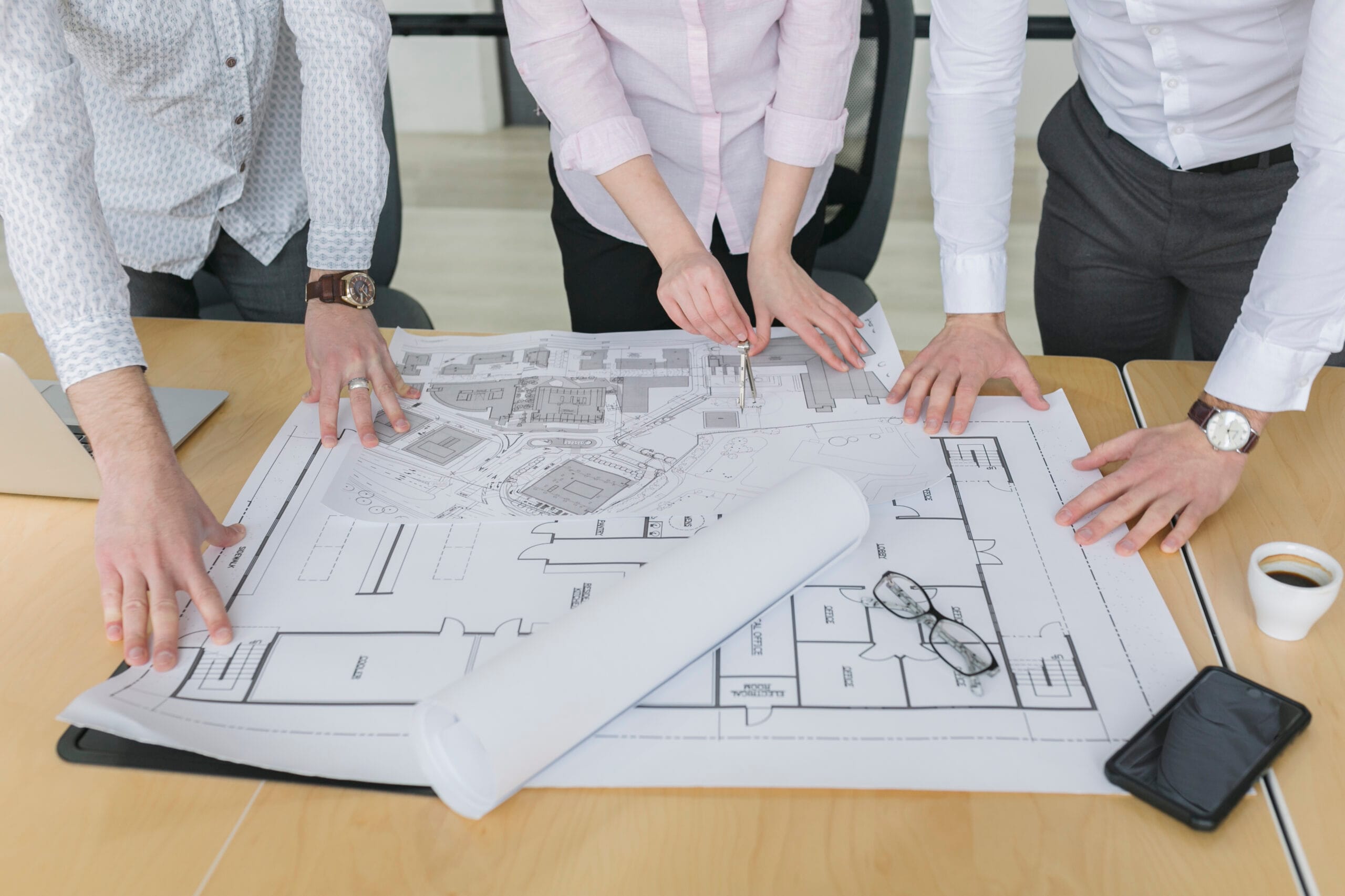
Why Modern Commercial Building Plans Matter
In today’s fast-evolving business environment, a commercial building plan is much more than a layout — it’s a blueprint for success. Whether it’s a retail outlet, corporate office, hotel, or warehouse, every structure must blend functionality, efficiency, and aesthetics to meet modern commercial needs.
With rapid urban development and a growing focus on sustainability, energy efficiency, and smart space utilization, businesses are investing more than ever in detailed building planning and drawing to ensure long-term returns.
So, what exactly makes a commercial building plan successful? Let’s dive into the key design elements that separate average spaces from extraordinary ones.
What Defines a Successful Commercial Building Plan?
A successful commercial building plan is one that balances design innovation with practical execution. It should:
- Meet local building codes and safety standards
- Optimize space and flow for both users and operations
- Incorporate sustainability and energy efficiency
- Enhance the user experience through thoughtful design
Simply put, great buildings aren’t just built — they’re strategically planned.
Top Design Features Every Commercial Building Plan Should Include
Here are the core design features that ensure a building’s functionality, profitability, and visual appeal:
- Efficient Space Planning
The first step in any building planning and drawing process is to create a layout that optimizes usable space.
- Ensure smooth circulation paths for employees, clients, and goods.
- Include flexible areas that can be reconfigured as business needs evolve.
- Allocate separate zones for storage, administration, and utilities.
- Structural Integrity and Load-Bearing Design
A visually appealing structure means little if it lacks strength.
- Consult civil engineering experts to determine load distribution.
- Choose the right foundation and framing materials depending on soil and site conditions.
- Integrate structural analysis into the initial planning — not as an afterthought.
- Energy Efficiency and Sustainability
Energy-efficient buildings not only save costs but also boost brand image.
- Install natural lighting systems and solar panels where possible.
- Use insulated walls, energy-rated glass, and low-VOC paints.
- Integrate rainwater harvesting and waste recycling systems.
| Sustainable Design Element | Benefit |
| Solar Panels | Reduces electricity costs |
| Green Roofs | Enhances insulation & reduces heat gain |
| Rainwater Harvesting | Conserves water for reuse |
| LED Lighting | Minimizes power consumption |
- Smart Technology Integration
Modern commercial buildings are moving toward automation and IoT (Internet of Things).
- Incorporate smart lighting, HVAC, and security systems.
- Use touchless access and sensors to improve hygiene and efficiency.
- Implement building management systems (BMS) to monitor energy and maintenance in real-time.
- Aesthetic and Functional Design
A well-designed building attracts clients, tenants, and investors.
- Use modern façades that reflect your brand identity.
- Blend natural textures like stone and wood with modern materials like glass and steel.
- Focus on human-centric design — spaces that inspire productivity and comfort.
How Smart Building Planning and Drawing Drive ROI
Well-thought-out building planning and drawing directly influence your return on investment (ROI):
| Aspect | Impact on ROI |
| Optimized layout | Reduces wasted space and construction costs |
| Energy-efficient systems | Lowers long-term operational expenses |
| Adaptive design | Increases property lifespan |
| Aesthetic design | Enhances brand value and tenant attraction |
By working closely with architects and civil engineering consultants, businesses can create structures that are financially viable, future-ready, and environmentally responsible.
Common Mistakes to Avoid During Commercial Building Planning
Even experienced developers can fall into these traps:
- Ignoring local bylaws or zoning restrictions
- Overlooking utility integration (drainage, HVAC, electrical)
- Prioritizing looks over functionality
- Not planning for scalability or expansion
- Skipping soil and structural analysis early on
Avoiding these ensures that your commercial building plan remains compliant, efficient, and durable.
Conclusion: Build Smart, Build Strong, Build for the Future
A commercial building plan is more than blueprints — it’s the foundation of your business success. From energy efficiency and smart technology to sustainable materials and space optimization, every decision in the building planning and drawing phase shapes how your structure performs for decades to come.
In the end, the goal isn’t just to construct a building — it’s to create a space that drives growth, inspires people, and stands the test of time.
Plan Your Next Commercial Project with Experts Who Understand Both Design and Strength
At Elite Blueprints Consultancy, we specialize in creating commercial building plans that merge aesthetics with engineering precision.
Our team ensures every detail — from conceptual drawing to execution — aligns with your business vision and budget.
📞 Call Us Today: +91-82500 86323, +91-90462 50581
🌐 Visit: www.ebcsiliguri.com
📍 Based in Siliguri | Serving India with excellence in building planning and drawing
Let’s turn your commercial vision into a landmark.
FAQs About Commercial Building Plans
Q1: What’s the difference between a commercial and residential building plan?
A commercial building plan focuses on functionality, large-scale usage, and compliance with specific business standards, while residential plans prioritize comfort and aesthetics for smaller occupancies.
Q2: How long does a commercial building planning and drawing process take?
It depends on the project size and complexity — small office spaces may take 2–3 weeks, while large-scale commercial projects may require several months.
Q3: Do I need both an architect and a civil engineer for a commercial project?
Yes. Architects design the layout and aesthetics, while civil engineers ensure safety, strength, and compliance. Both are essential for a successful outcome.


Comments are closed